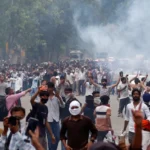
In the age of Gen Z internet culture, even moments of political tension can quickly transform into viral trends. The latest example comes from India, where the sarcastic phrase “Delhi Police se maar khaanay jaa raha hoon” (“I’m off to get beaten by the Delhi Police”) has taken over Instagram Reels following the recent police crackdown on protesters during the ‘Chalo Sansad’ march in New Delhi.
What began as videos documenting baton charges and clashes near Jantar Mantar has now evolved into a nationwide meme. Young creators are posting short reels of themselves leaving home, riding motorcycles, meeting friends or simply walking down the street, humorously captioning the clips with the now-viral phrase. The joke lies in treating the prospect of being beaten by police as casually as running an everyday errand.
The trend reflects a broader style of Gen Z humour often described as “trauma humour”—using irony and exaggeration to cope with serious events. Rather than directly debating politics, many users have turned the images of the crackdown into dark comedy, creating content that is instantly recognisable to millions of viewers.
The meme emerged after videos of police using force against demonstrators during the march circulated widely across social media. While opinions remain divided over the protests themselves, the online response has been remarkably unified in one respect: the phrase has become shorthand for mocking what many young Indians see as an increasingly confrontational response to public demonstrations.
Unlike traditional political slogans, “Delhi Police se maar khaanay jaa raha hoon” carries its message through satire. The humour allows creators to comment on current events without lengthy political speeches, making the trend accessible even to audiences who may not closely follow daily news.
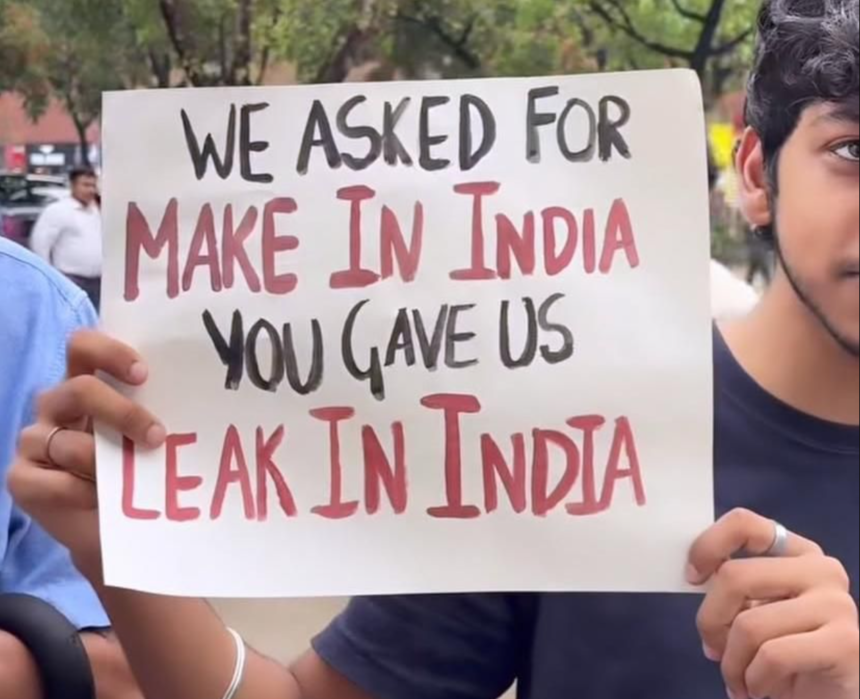
The phenomenon also highlights how social media is reshaping political expression. Memes today are more than entertainment; they have become a language through which younger generations process major events, criticise authority and share collective experiences.
Whether the trend fades in the coming weeks or becomes another lasting internet catchphrase, it has already demonstrated how rapidly political events can be absorbed into digital culture. In India’s online landscape, a phrase born out of protest has become one of Gen Z’s latest forms of satire—where humour serves not merely to entertain, but also to reflect public sentiment in the aftermath of a highly charged moment.